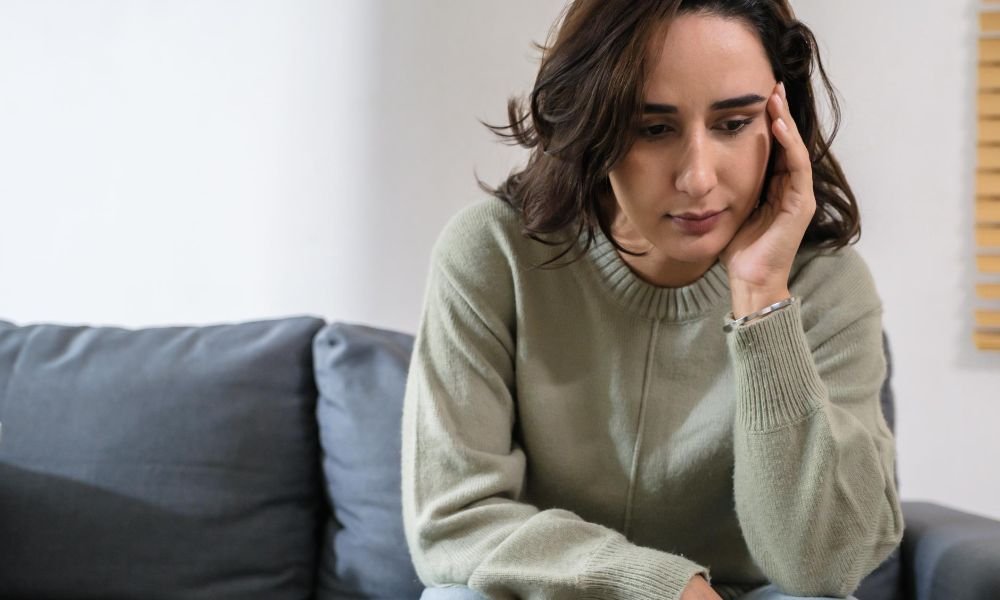
Anxiety is a natural response to stress or perceived danger. Everyone experiences it occasionally—before an exam, a job interview, or an important decision. However, when anxiety becomes frequent, intense, or overwhelming, it may begin to interfere with daily life. Understanding the symptoms of anxiety is the first step toward managing it effectively and seeking help when needed.
What Is Anxiety?
Anxiety is the body’s way of reacting to stress. It activates the “fight or flight” response, preparing you to deal with potential threats. While this response can be helpful in short bursts, chronic anxiety can lead to both mental and physical health challenges.
Common Emotional Symptoms of Anxiety
One of the most noticeable aspects of anxiety is how it affects your thoughts and emotions.
1. Excessive Worry
People with anxiety often experience constant worry about everyday situations. This worry may feel difficult to control and can persist even when there is no clear reason.
2. Feeling Restless or On Edge
A common symptom is a sense of unease or nervousness. You may feel like something bad is about to happen, even without evidence.
3. Irritability
Anxiety can make you more sensitive to stress, leading to frustration or irritability over small issues.
4. Difficulty Concentrating
When your mind is filled with anxious thoughts, it becomes harder to focus on tasks, conversations, or responsibilities.
Physical Symptoms of Anxiety
Anxiety doesn’t just affect the mind—it also has strong physical effects on the body.
1. Rapid Heartbeat
A fast or pounding heart is one of the most common physical symptoms. It is part of the body’s stress response.
2. Shortness of Breath
You may feel like you cannot breathe properly or are not getting enough air.
3. Sweating
Excessive sweating, even in normal conditions, can occur during anxiety episodes.
4. Muscle Tension
Anxiety often causes tightness in muscles, especially in the neck, shoulders, and back.
5. Fatigue
Constant worry and stress can drain your energy, making you feel tired even without physical exertion.
Behavioral Symptoms of Anxiety
Anxiety can also influence how you behave and respond to situations.
1. Avoidance
People with anxiety may avoid certain places, activities, or people that trigger their symptoms.
2. Restlessness
You may find it hard to sit still or relax, often feeling the need to keep moving.
3. Changes in Routine
Anxiety can disrupt daily habits, such as eating patterns or social interactions.
Cognitive Symptoms of Anxiety
Cognitive symptoms relate to how anxiety affects your thinking patterns.
1. Overthinking
You may constantly analyze situations, often imagining worst-case scenarios.
2. Fear of Losing Control
Many people feel like they might lose control over their thoughts or actions.
3. Negative Thinking
Anxiety often leads to persistent negative thoughts, even when things are going well.
Sleep-Related Symptoms
Anxiety and sleep are closely connected.
1. Difficulty Falling Asleep
Racing thoughts can make it hard to relax at night.
2. Frequent Waking
You may wake up multiple times during the night.
3. Poor Sleep Quality
Even after sleeping, you may not feel refreshed.
When Do Anxiety Symptoms Become a Problem?
Occasional anxiety is normal, but it may become a concern when:
- Symptoms occur frequently
- Anxiety interferes with daily life
- Physical symptoms become intense
- You avoid important activities
In such cases, it may indicate an anxiety disorder that requires attention.
Common Types of Anxiety Disorders
Different types of anxiety disorders may present slightly different symptoms:
- Generalized Anxiety Disorder (GAD): Persistent and excessive worry
- Panic Disorder: Sudden panic attacks with intense physical symptoms
- Social Anxiety Disorder: Fear of social situations or judgment
- Phobias: Intense fear of specific objects or situations
How to Manage Anxiety Symptoms
Managing anxiety involves both lifestyle changes and, in some cases, professional support.
1. Practice Relaxation Techniques
Deep breathing, meditation, and mindfulness can help calm the mind.
2. Stay Physically Active
Regular exercise reduces stress hormones and improves mood.
3. Maintain a Healthy Routine
Consistent sleep, balanced diet, and hydration play a key role.
4. Limit Caffeine and Screen Time
These can increase anxiety levels, especially in sensitive individuals.
5. Talk to Someone
Sharing your feelings with a friend, family member, or therapist can provide relief.
When to Seek Help
If anxiety symptoms become overwhelming or persistent, it is important to seek professional help. Mental health professionals can provide therapy, guidance, and treatment options tailored to your needs.
Conclusion
Anxiety is a common experience, but understanding its symptoms can help you recognize when it goes beyond normal stress. From emotional and physical signs to behavioral changes, anxiety affects multiple aspects of life. The good news is that it is manageable with the right approach, awareness, and support.
By identifying symptoms early and taking proactive steps, you can regain control and improve your overall well-being.
Frequently Asked Questions (FAQs)
1. What are the most common symptoms of anxiety?
The most common symptoms include excessive worry, restlessness, rapid heartbeat, sweating, difficulty concentrating, and trouble sleeping.
2. Can anxiety cause physical symptoms in the body?
Yes, anxiety can lead to physical symptoms such as chest tightness, shortness of breath, muscle tension, fatigue, and headaches.
3. How do I know if my anxiety is serious?
Anxiety may be serious if it happens frequently, interferes with daily life, causes intense physical symptoms, or leads to avoidance of normal activities.
4. What is the difference between normal anxiety and an anxiety disorder?
Normal anxiety is temporary and situation-based, while an anxiety disorder is persistent, excessive, and affects daily functioning.
5. Can anxiety go away on its own?
Mild anxiety may improve on its own, but chronic or severe anxiety usually requires lifestyle changes or professional support.
6. What triggers anxiety symptoms?
Common triggers include stress, lack of sleep, caffeine, major life changes, health concerns, and negative thought patterns.
7. Can anxiety affect sleep?
Yes, anxiety can make it difficult to fall asleep, cause frequent waking, and reduce overall sleep quality.
8. How can I calm anxiety quickly?
You can try deep breathing, meditation, grounding techniques, or light physical activity to calm anxiety quickly.
9. When should I seek help for anxiety?
You should seek help if anxiety becomes overwhelming, persistent, or starts affecting your daily life and relationships.
10. Can lifestyle changes reduce anxiety symptoms?
Yes, regular exercise, a healthy diet, proper sleep, and stress management techniques can significantly reduce anxiety symptoms.