Women’s health is shaped by a combination of biological, hormonal, social, and lifestyle factors. While both men and women can develop many of the same conditions, certain health issues are more common or uniquely affect women. Understanding these concerns is essential for early detection, prevention, and better long-term well-being.
1. Reproductive Health Issues
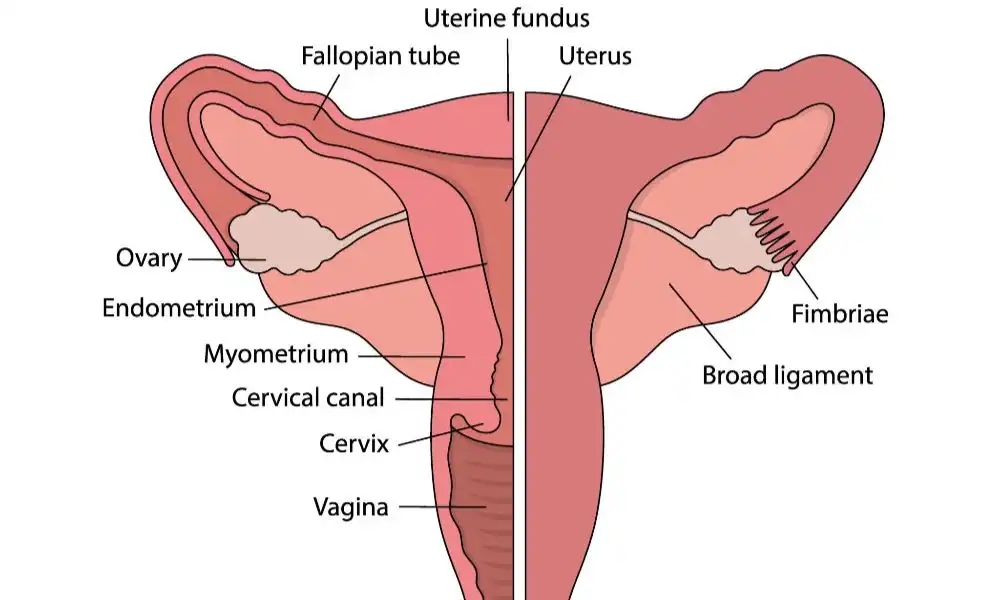
Women’s reproductive system plays a central role in their overall health. Conditions such as Polycystic Ovary Syndrome (PCOS), Endometriosis, and uterine fibroids are quite common.
- PCOS can cause irregular periods, weight gain, acne, and fertility problems.
- Endometriosis leads to severe pelvic pain and can affect fertility.
- Fibroids are non-cancerous growths in the uterus that may cause heavy bleeding and discomfort.
Additionally, menstrual disorders such as painful periods (dysmenorrhea) and irregular cycles are frequently reported among women of reproductive age.
2. Hormonal Imbalances
Hormones regulate many body functions, and fluctuations can lead to various health issues. Conditions like Thyroid disorders—including hypothyroidism and hyperthyroidism—are more prevalent in women.
Hormonal changes also occur during:
- Puberty
- Pregnancy
- Menopause
During menopause, women may experience symptoms such as hot flashes, mood swings, sleep disturbances, and decreased bone density.
3. Mental Health Concerns
Mental health is a major but often overlooked aspect of women’s well-being. Women are more likely than men to experience conditions such as Depression and Anxiety disorders.
Factors contributing to this include:
- Hormonal changes
- Social pressures
- Work-life balance challenges
- Emotional stress
Postpartum depression is another important condition that affects women after childbirth, requiring timely support and care.
4. Bone and Joint Health
Women are at higher risk of developing Osteoporosis, especially after menopause due to reduced estrogen levels. This condition weakens bones and increases the risk of fractures.
Calcium deficiency, lack of physical activity, and vitamin D deficiency can worsen bone health. Early screening and preventive measures like diet and exercise are crucial.
5. Cardiovascular Diseases
Many people assume heart disease is more common in men, but it is also a leading cause of death in women. Conditions such as Heart disease often present differently in women.
Symptoms may include:
- Fatigue
- Shortness of breath
- Nausea
- Back or jaw pain
Risk factors include high blood pressure, diabetes, smoking, and obesity. Awareness is important because symptoms can be subtle and easily ignored.
6. Breast and Gynecological Cancers
Certain cancers specifically affect women or are more common in them. These include:
- Breast cancer
- Cervical cancer
- Ovarian cancer
Breast cancer is one of the most commonly diagnosed cancers in women worldwide. Early detection through regular self-exams and screenings like mammograms significantly improves survival rates.
Cervical cancer can often be prevented with regular Pap smears and vaccination against HPV (Human Papillomavirus).

7. Urinary and Digestive Issues
Women are more prone to urinary tract infections (UTIs) due to anatomical differences. These infections can cause:
- Burning sensation while urinating
- Frequent urge to urinate
- Lower abdominal pain
Digestive issues such as bloating, constipation, and conditions like Irritable Bowel Syndrome (IBS) are also commonly reported, especially due to hormonal fluctuations.
8. Nutritional Deficiencies
Women often experience deficiencies in essential nutrients like:
- Iron (leading to anemia)
- Calcium
- Vitamin D
- Vitamin B12
Iron-deficiency anemia is particularly common due to menstruation and pregnancy demands. Symptoms include fatigue, weakness, and dizziness.
9. Lifestyle-Related Health Issues
Modern lifestyle habits contribute significantly to women’s health problems. Lack of exercise, poor diet, stress, and inadequate sleep can lead to:
- Obesity
- Diabetes
- Hypertension
Balancing personal, professional, and family responsibilities can also increase stress levels, affecting both physical and mental health.
Conclusion
Women face a wide range of health issues, from reproductive and hormonal disorders to mental health challenges and chronic diseases like heart disease and osteoporosis. Conditions such as PCOS, thyroid disorders, depression, and breast cancer highlight the importance of awareness and regular health check-ups.
The key to maintaining good health lies in early detection, a balanced lifestyle, proper nutrition, and timely medical care. By prioritizing their well-being and staying informed, women can effectively manage risks and lead healthier, more fulfilling lives.
Frequently asked questions (FAQs)
1. What are the most common health issues in women?
Common health issues include Polycystic Ovary Syndrome (PCOS), Thyroid disorders, Depression, Osteoporosis, and Breast cancer.
2. Why are hormonal issues more common in women?
Women experience frequent hormonal changes during puberty, menstruation, pregnancy, and menopause, which increases the risk of imbalances.
3. What are the early signs of PCOS?
Symptoms of Polycystic Ovary Syndrome include irregular periods, acne, weight gain, excessive hair growth, and difficulty in conceiving.
4. How can women maintain good mental health?
Maintaining mental health involves regular exercise, proper sleep, stress management, and seeking help when experiencing symptoms of Anxiety disorders or Depression.
5. What increases the risk of osteoporosis in women?
Risk factors for Osteoporosis include aging, low calcium intake, vitamin D deficiency, and reduced estrogen levels after menopause.
6. Are heart diseases common in women?
Yes, Heart disease is one of the leading causes of death in women, though symptoms may differ from men.
7. How often should women get screened for breast cancer?
Women should perform regular self-exams and follow medical advice for screenings like mammograms, especially after age 40, to detect Breast cancer early.
8. What causes iron deficiency in women?
Iron deficiency is commonly caused by menstrual blood loss, pregnancy, and inadequate dietary intake, leading to anemia.
9. Are digestive issues common in women?
Yes, women often experience digestive problems like bloating and Irritable Bowel Syndrome (IBS), often influenced by hormonal changes.
10. How can women prevent common health problems?
Women can reduce risks by maintaining a balanced diet, staying physically active, managing stress, getting regular health check-ups, and avoiding unhealthy habits like smoking.